
DRESSING GUIDE FOR LAYERING
THE 3-LAYER SYSTEM
-

1. BASE LAYER
Discover baselayers- Evaporates and removes moisture from the skin
- Breathable, comfortable material
- Regulates body temperature
- For example, merino wool
-

2. MID-LAYER
Discover mid-layers- Warms and insulates
- Transfers moisture to the outside
- Add or remove depending on the weather and activity
- For example, fleece or wool
-

3. OUTER LAYER
Explore the options- Protects against wind and rain
- Breathe and give space to move
- Choose the right one for the weather and situation
- For example, natural weatherproof Ventile® or some kind of membrane fabric


APPLY WARMTH, INSULATION, AND PROTECTION WITH NATURAL MATERIALS

BASE LAYER
1. START WITH SOMETHING LIGHT AND BREATHABLE
Good base layers are invisible, breathable, and regulate body temperature in different situations. They fit seamlessly, feel soft, and keep the skin dry even when sweating.
Choose the right base layer:
- Choose a size that fits well and flatters your figure.
- A good base layer is unnoticeable when worn and adapts to movement.
- Consider the versatility and year-round usability of the building
- Merino wool is the most breathable and thermoregulatory material, making it suitable for use all year round.

MID-LAYER
2. INSULATE WARMTH AS NEEDED
The middle layer is the insulating part of layered clothing that traps body heat and transfers moisture toward the outer layer. It allows you to quickly adjust your clothing according to the temperature and your activity level. Multiple base layers provide more flexibility than a single thick layer. The air trapped between the layers acts as an effective insulator. A layer that is too tight or constricting will reduce the insulating effect.
A good mid-layer is:
- Effectively insulates warmth
- Breathable and moisture-wicking
- Airy in structure
- Loose enough on top of the base layer
- Made of materials such as wool or technical fleece

OUTER LAYER
3. PROTECT YOURSELF FROM CHANGING WEATHER CONDITIONS
A Year-round jacket works in different conditions by adjusting the base and middle layers. The outer layer, made of Ventile® cotton, offers naturally strong weather resistance without membranes: it breathes, protects from the wind, and adapts to different seasons. Ventile fibers gradually absorb and release moisture. In synthetic materials, moisture often condenses between the layers, causing them to harden in the cold and rustle.
How do I choose the right outer layer?
- Consider the weather resistance and breathability of the material.
- Choose the right size: it should be large enough to accommodate the base and mid-layers. There should be enough space between the layers, as a shell that is too tight will compress the insulating layers. The air between the layers acts as insulation and is an essential part of thermal insulation.
- Pay attention to the details, adjustability, and fit that suits your needs.
DISCOVER VENTILE® PRODUCTS:

ALSO NOTE THE ACCESSORIES
DON'T FORGET YOUR HEAD
A significant amount of body heat is lost from the head and neck area. With the right headwear, such as a merino wool beanie, you can insulate your head. Merino wool is also a breathable material that wicks away moisture when you sweat.
In strong winds and freezing temperatures, it is also a good idea to wear a hood to protect your head. The importance of a good hood is especially evident in harsh weather conditions. The right hood is sufficiently spacious, adjustable, and follows the movements of your head. The hood of the Sasta Katmai classic anorak also features a visor that forms a "wind tunnel" to protect your face from the wind.
In cold weather, it is also advisable to protect your hands and feet using the three-layer principle:
- Baselayer: Thin, moisture-wicking merino wool underwear or socks keep the skin dry.
- Mid-layer: An insulating layer, such as wool or fleece, traps heat.
- Outer layer: Windproof and waterproof gloves or shoes protect you from the weather and prevent heat loss.
The fingers and toes are particularly sensitive to cold temperatures, so moisture management and wind protection are crucial for retaining heat.
DISCOVER ACCESSORIES:
QUALITY YOU CAN FEEL. COMFORT YOU WON'T GIVE UP.
-

MERINO WOOL
- Natural moisture management
- Breathable, comfortable material
- Excellent warmth regulation
-

POLARTEC® Thermal Pro®
- Warms and insulates
- Transfers moisture to the outside
- Quick drying
-

VENTILE®
- Natural weather-resistant shell material without membrane
- Breathable and comfortable to wear
- Adaptable to all seasons with layered clothing


We recommend for men
-
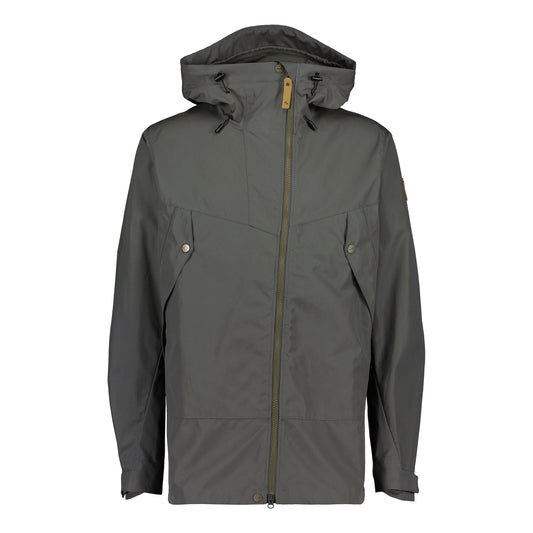 -17 %
-17 %Peski Ventile® jacket
Starting from €381,67 EUR€381,67 EURUnit price per€462,07 EURSale priceXXS XS S M L XL XXL XXXL XXXXSale -
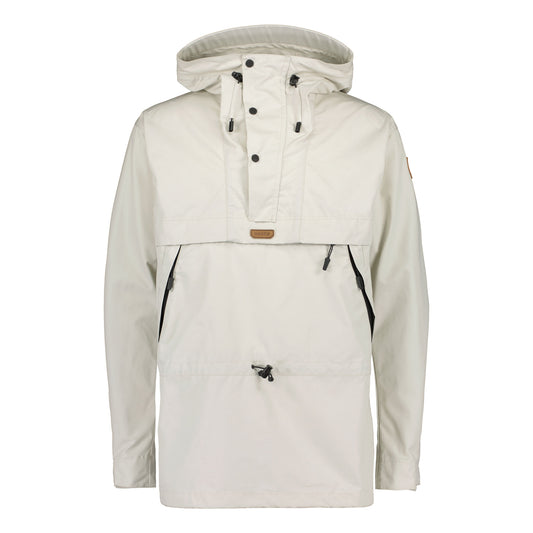 -17 %
-17 %Peski Ventile® anorak
Starting from €381,67 EUR€381,67 EURUnit price per€462,07 EURSale priceXXS XS S M L XL XXL XXXL XXXXSale -
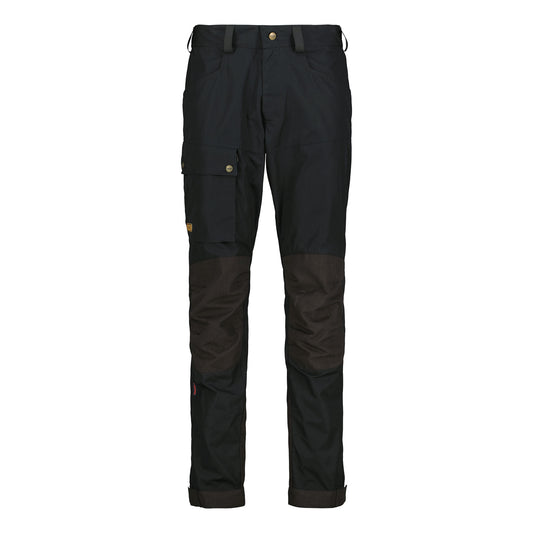 -26 %
-26 %Peski Ventile® trousers
Starting from €230,28 EUR€230,28 EURUnit price per€309,96 EURSale price46 48 50 52 54 56 58 60Sale -
 -23 %
-23 %Kaarna Wool trousers
Starting from €158,57 EUR€158,57 EURUnit price per€207,09 EURSale price46 48 50 52 54 56 58 60Sale -
Laavu Polartec® fleece jacket
Starting from €118,73 EUR€118,73 EURUnit price per€159,28 EURSale priceXS S M L XL XXL XXXL XXXXSale -
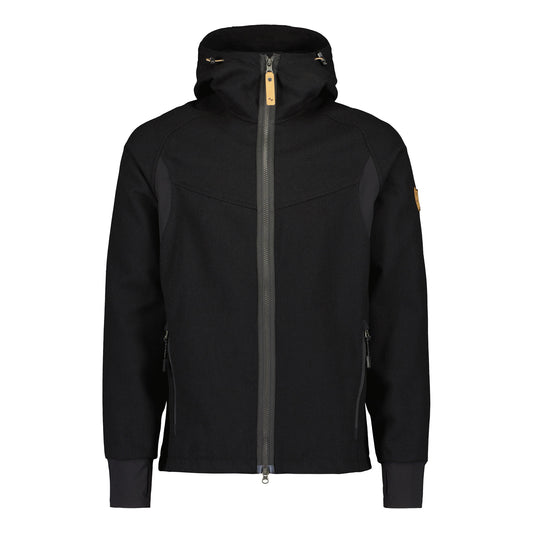 -29 %
-29 %Kaarna Wool jacket
Starting from €158,57 EUR€158,57 EURUnit price per€223,03 EURSale priceXS S M L XL XXL XXXL XXXXSale -
 -34 %
-34 %MerinoBase 180 set
Starting from €78,88 EUR€78,88 EURUnit price per€119,44 EURSale priceS M L XL XXL 3XLSale -
 -25 %
-25 %Teno Merino wool beanie
Starting from €39,04 EUR€39,04 EURUnit price per€51,71 EURSale priceM LSale


We recommend for women
-
-17 %
Peski Ventile® anorak
Starting from €381,67 EUR€381,67 EURUnit price per€462,07 EURSale priceXXS XS S M L XL XXL XXXL XXXXSale -
 -23 %
-23 %Kaarna W Wool trousers
Starting from €158,57 EUR€158,57 EURUnit price per€207,09 EURSale price32 34 36 38 40 42 44 46NSale -
 -50 %
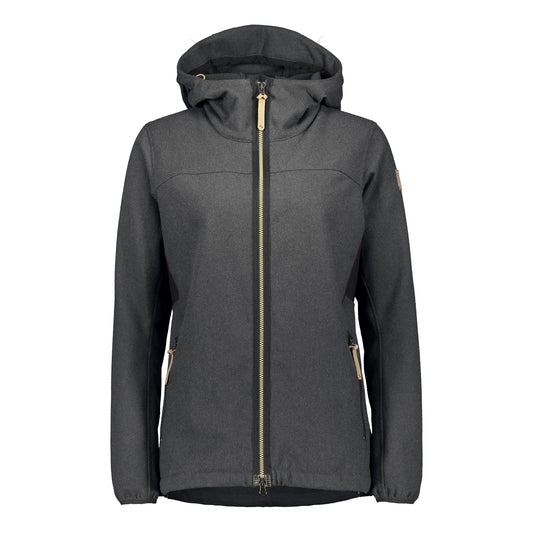
-50 %Kaarna W Wool jacket
Starting from €111,51 EUR€111,51 EURUnit price per€223,03 EURSale price32 34 36 38 40 42 44 46NSale -
 -13 %
-13 %Peski W Ventile® jacket
Starting from €381,67 EUR€381,67 EURUnit price per€438,17 EURSale price32 34 36 38 40 42 44 46NSale -
 -34 %
-34 %MerinoBase 180 W set
Starting from €78,88 EUR€78,88 EURUnit price per€119,44 EURSale priceXS S M L XL XXLSale -
Peski W Ventile® trousers
Starting from €230,28 EUR€230,28 EURUnit price per€309,96 EURSale price32 34 36 38 40 42 44 46NSale -
 -25 %
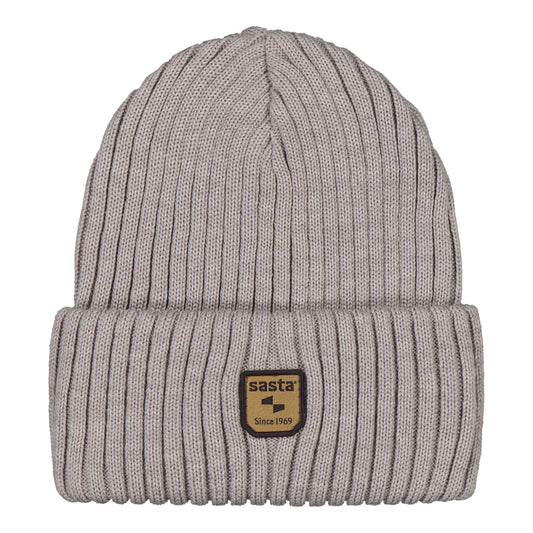
-25 %Lumi Merino wool beanie
Starting from €39,04 EUR€39,04 EURUnit price per€51,71 EURSale priceMSale -
Vilja Polartec® fleece jacket
Starting from €118,73 EUR€118,73 EURUnit price per€159,28 EURSale price32 34 36 38 40 42 44 46Sale